
Trees, trees and more trees!
I seem to have spent a lot of time around trees recently, both in real life and now in a book (which, of course, was also made from one). I’ve realised that although I always enjoyed climbing them as a child, building houses up them, swinging from their branches and, much later, noticing them on walks, I’ve never given them anywhere near the attention they deserve.
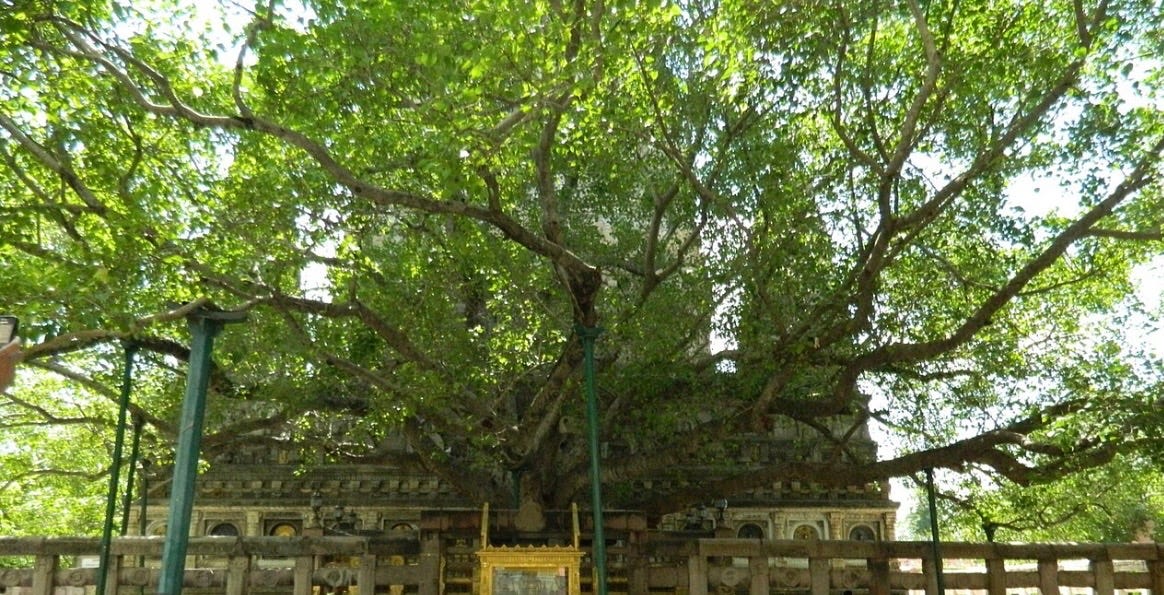
In Sri Lanka, I’ve walked beneath vast tropical forests in the ancient Sinharaja Rainforest and explored smaller pockets of woodland elsewhere. I’ve marvelled at the spreading branches and unusual aerial roots of the banyan, and travelled way up to Anuradhapura to see the oldest historically documented, continuously tended tree planted by humans: a 2,300-year-old sacred bo tree, planted in 288 BC. It was grown from a cutting of the original under which the Buddha is believed to have attained enlightenment. I’ve sought shelter from the midday sun beneath tree canopies and eaten picnics under their branches. I’m now about to bury the ashes of my father in a little box beneath one.
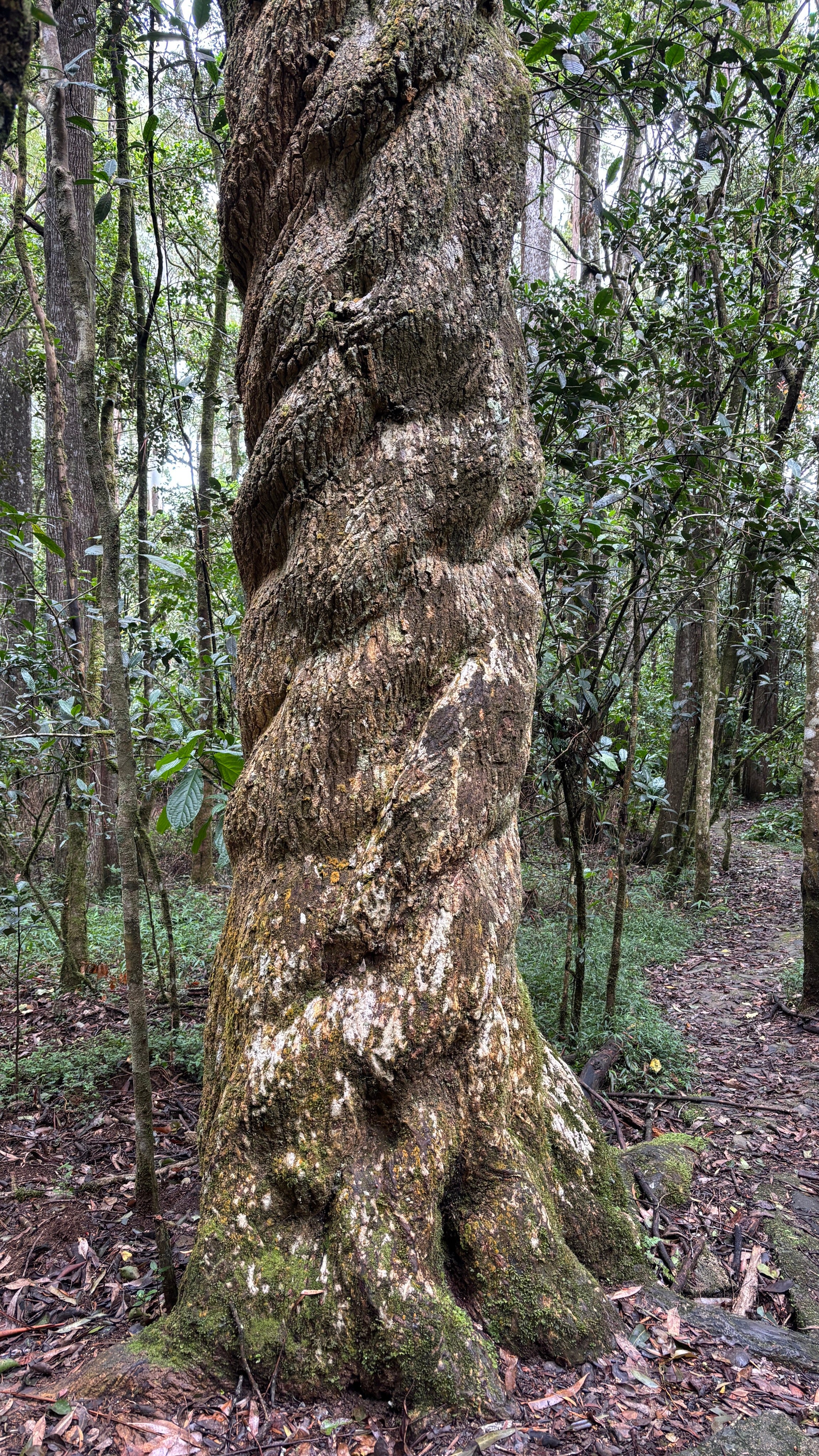
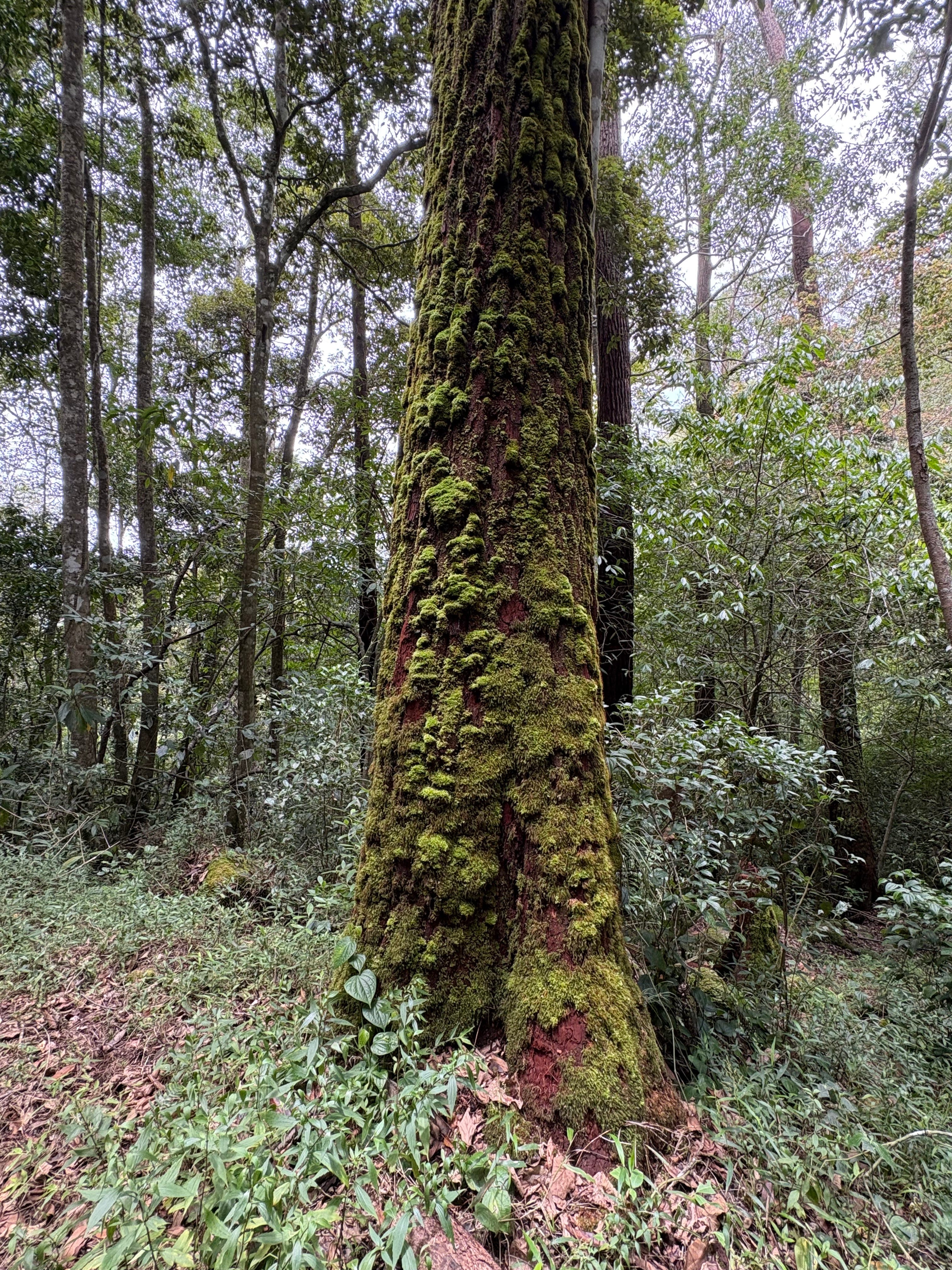
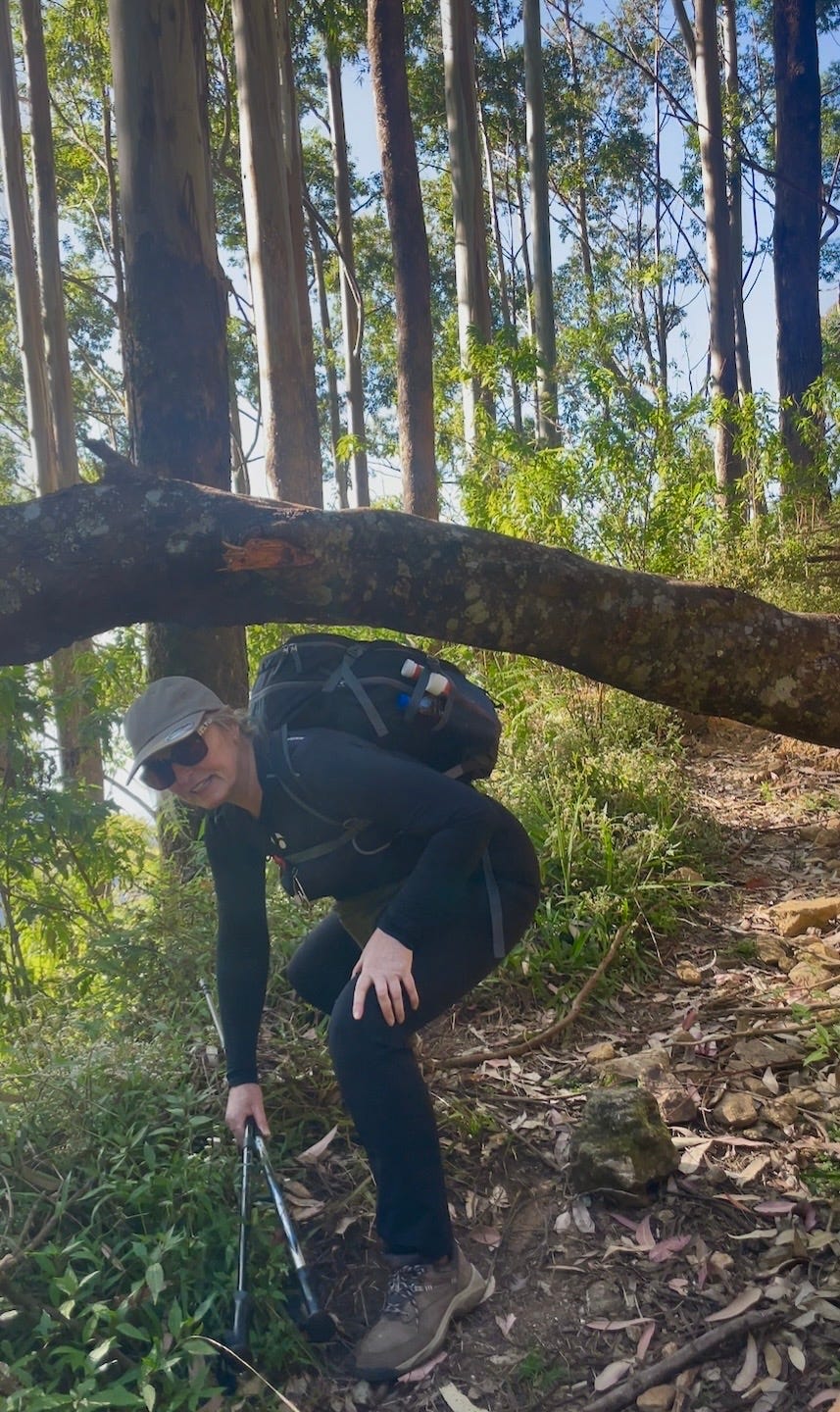
I’ve travelled through Sri Lanka’s tea country and walked forest trails where the woodland seems to have been growing long before anyone thought to name the paths that wind around it. I’ve had to climb over fallen trunks and duck beneath low-hanging or fallen branches to continue along a path. This felt very exciting at the time, and when I look back at the pictures I think to myself, ‘Ooooh how adventurous!’
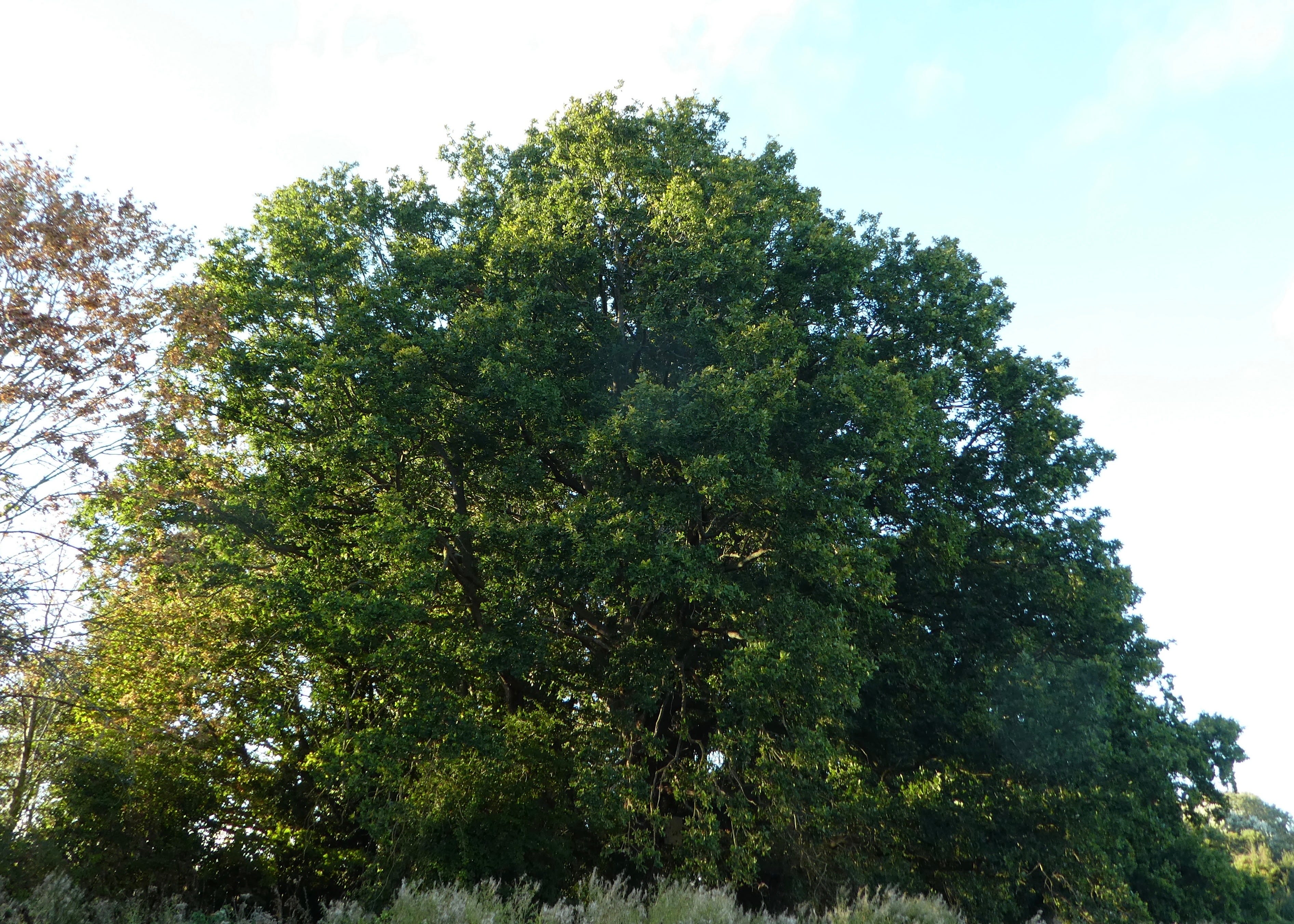
Closer to home, my walks through Home Park, Henry VIII’s old hunting ground, take me among a quite different collection of woodland. Earlier this year I signed up to be a volunteer park ranger, which involves walking two-hour shifts through open parkland and wooded areas, where the trees there provides a stunning backdrop to the changing seasons. In summer, fallow deer graze in the shade and reach up on their hind legs to eat leaves from the rows of lime trees, leaving them looking as though they’ve been neatly trimmed by human hand. Sunlight filters through the branches, and part of my role is to report damaged specimens and fallen limbs. The park is a familiar landscape, somewhere I return to several times a week, and yet I’ve barely scratched the surface of what’s going on around me.
At first glance, the trees of Sri Lanka and those of the English countryside might seem to have little in common: different climates, species, growing conditions and landscapes. Yet they are all living organisms, adapting, responding and surviving in a world that’s constantly changing.
I’m drawn to them mostly for their appearance. Most are beautiful in their own way, and they shape the character of a landscape. But I’ve rarely stopped to consider what’s happening beyond what is immediately visible. I might notice their height, the girth of the trunk (and try to guess its age), the shape of the branches, particularly if they’re unusual, the texture of the bark and the changing colours of the leaves in autumn. What I rarely consider is the hidden world beneath my feet, or the remarkable processes taking place within and around these seemingly familiar giants.
That may be about to change. I’ve just chosen Peter Wohlleben’s The Hidden Life of Trees for my book group to read and discuss next month. It promises to reveal a world I know next to nothing about, extending beyond the bark and deep beneath the forest floor.
In Sri Lanka, trees often occupy a special place in the landscape and in people’s lives. The bo tree has deep cultural and spiritual associations, while a great banyan can create what looks like an entire woodland from a single specimen. In villages, Hindu and Buddhist temples, and along roadsides, they provide shade and places for people to gather.
In Home Park, the relationship feels different but is also interesting. The woodland areas shelter the fallow deer, supports a huge variety of insects and birds, including birds of prey, and forms part of an ecosystem shared with badgers and rabbits. Some of its oldest inhabitants have stood through generations of human activity, going back to Henry VIII’s reign. It amazes me that a tree in Home Park and one in the Sri Lankan highlands, almost 6,000 miles apart, are engaged in the same basic business of living, responding to light, temperature, rainfall, soil and the organisms around them.
They also operate on a timescale I find difficult to comprehend. We measure our lives in years and decades, but they can live for centuries, even millennia. Their growth is gradual, barely perceptible, yet over time they can transform a landscape, shelter generations of wildlife and become landmarks by which we navigate and remember a place. That’s an interesting thought especially when I consider how impatient I can be waiting for something to grow in my own garden.
I suspect that after reading this book I’ll look at these familiar trees differently. Perhaps my regular walks around Home Park will become more exploratory, just as my journeys through Sri Lanka have often been shaped by unexpected encounters with the natural world. It will be interesting to discover something new in a place I already thought I knew.
Sri Lanka and home may be separated by continents, climates and cultures, but their trees remind me that we’re all part of the same natural world. The landscapes may look very different, but the lives unfolding above and below the ground are connected by the same processes of growth, adaptation and survival.
If trees interest you, grab a copy of our book group read and read along with us. I’d love to hear what you think, both about the trees and the book.